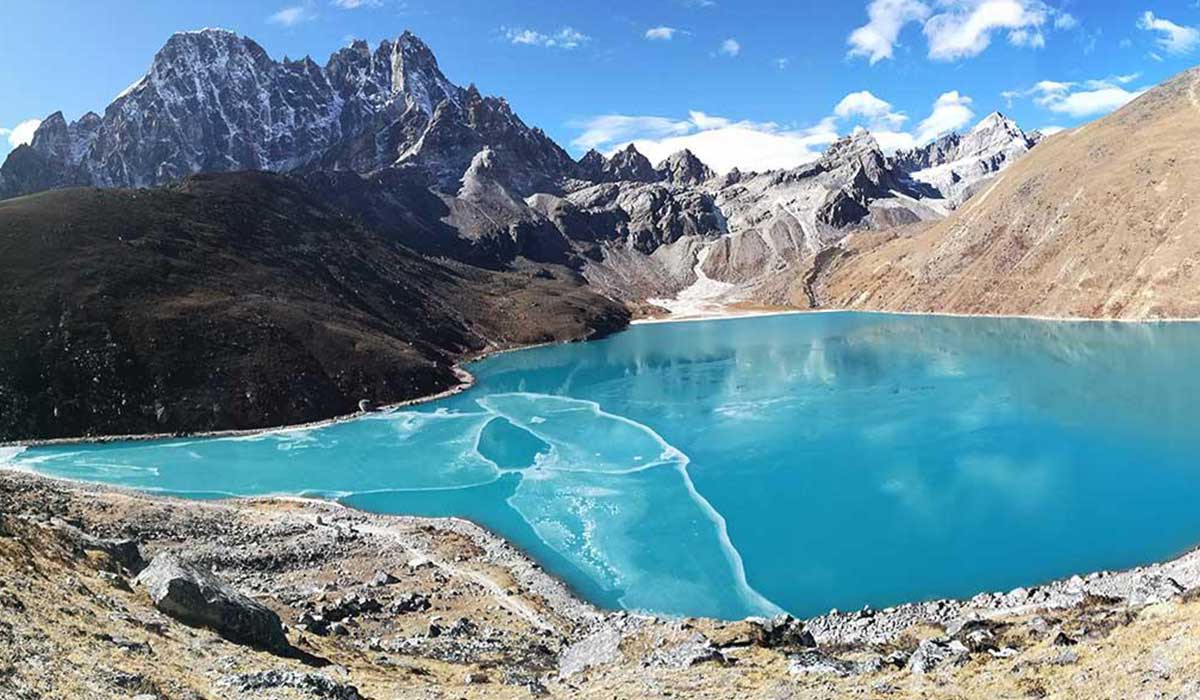








The Saipal Himal Trek is one of the most beautiful and secret treks in Nepal. It lies in the Far-Western region, near the border of Tibet. This trek is not crowded like other famous treks. That means it is peaceful, quiet, and perfect for people who love nature and mountains.
Many people don’t know about Saipal Himal, but it is very special. You can see big white mountains, walk through green forests, and visit small villages. You can also meet kind people who live simple lives.
Where Is Saipal Himal?
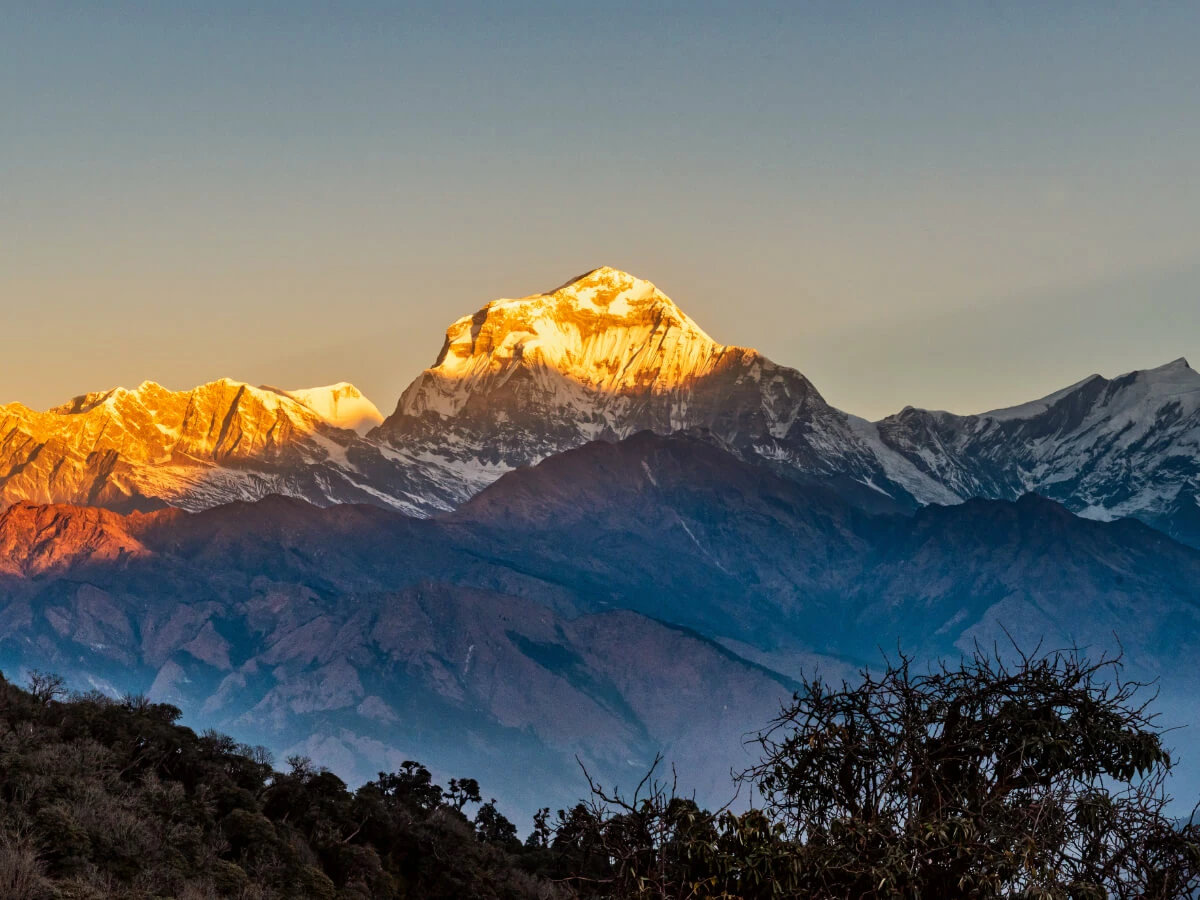
Saipal Himal is in the Bajura and Humla districts of Far-West Nepal. It is part of the Himalayan mountain range. The highest peak, Mount Saipal, is 7,031 meters (23,067 feet) tall. It is covered in snow all year round. It shines like silver in the sun.
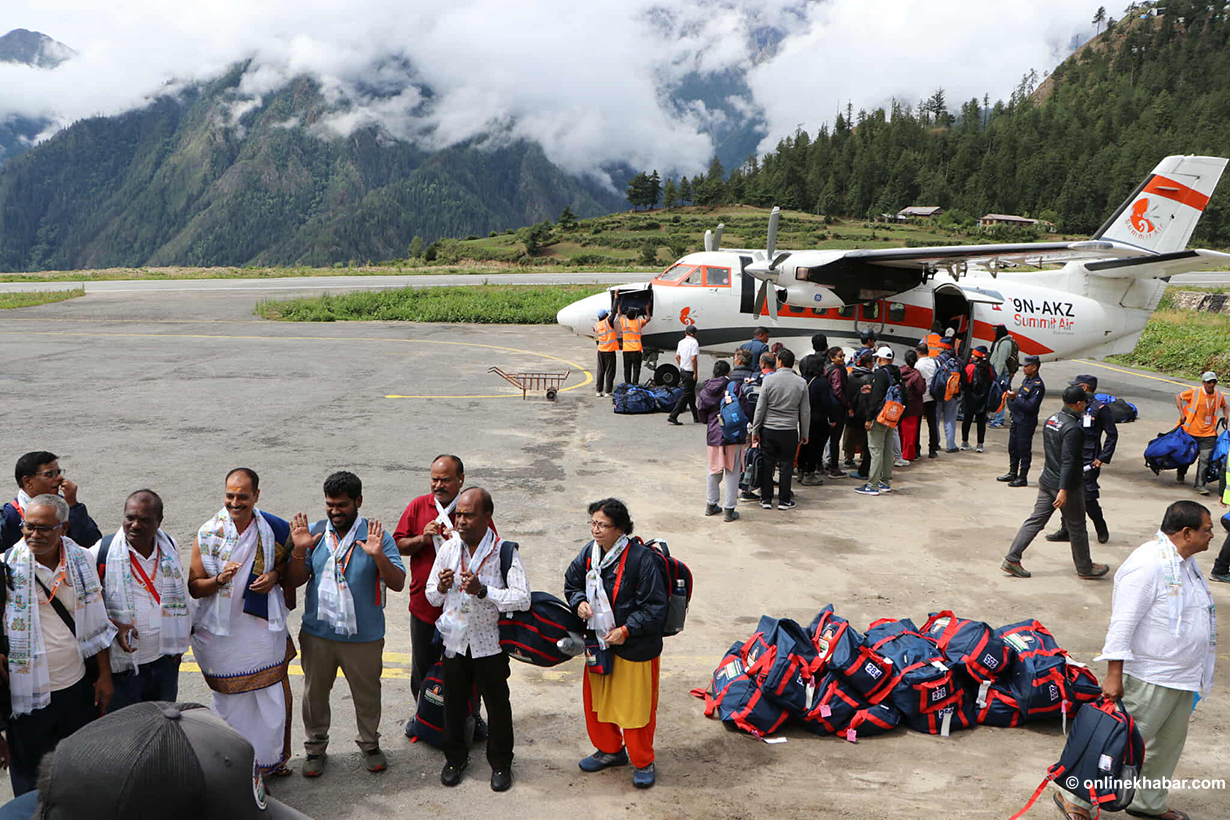
You need to travel from Kathmandu to Nepalgunj, then take a flight or jeep to Chainpur or Martadi to start the trek. The journey to the starting point is a bit long, but it’s worth it.

Why Choose Saipal Himal Trek?
Here are some great reasons why you should choose the Saipal Himal Trek:
-
Uncrowded Trails – No big crowds or noisy tourists.
-
Beautiful Views – Snowy mountains, rivers, forests, and hills.
-
Friendly Locals – Meet people from Khas, Bhote, and Byasi communities.
-
Real Adventure – Pure trekking with no luxury hotels.
-
Cultural Experience – Learn about local life, food, and clothes.
-
Rare Wildlife – You might see blue sheep, Himalayan monals, and snow leopards.
Best Time to Visit Saipal Himal
The best time to do the Saipal Himal Trek is during:
-
Spring (March to May) – Flowers bloom, and the weather is clear.
-
Autumn (September to November) – Cool air and clear skies.
These months give you the best mountain views and are safe for walking. Winter is very cold and full of snow, while monsoon has heavy rain and slippery paths.
Trek Highlights
-
Mount Saipal View
-
Dense Pine and Rhododendron Forests
-
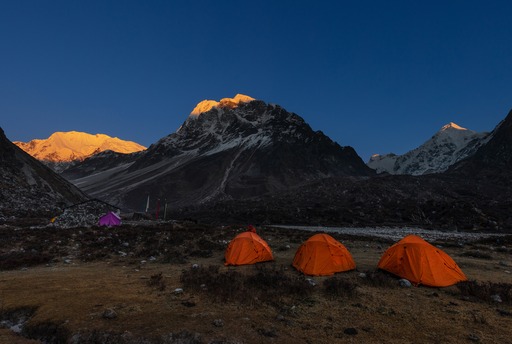
Camping Near Rivers
-
Yaks and Blue Sheep Sightings
-
Remote Villages Like Dhuli, Lamikhal, and Silgadhi
-
Local Temples and Monasteries
-
Salt Trade Trails of Old Nepal-Tibet Route
How Difficult is the Saipal Trek?
The Saipal Himal Trek is a moderate to difficult trek. It’s not too easy like short hikes, and not very hard like mountain climbing. You walk for 6 to 7 hours a day and sleep in tents or local homes. The paths go up and down hills, cross rivers, and reach high altitudes.
This trek is best for:
-
Trek lovers with some experience
-
People who enjoy offbeat travel
-
Those who can carry backpacks and sleep in tents
But don’t worry! With a guide and porter, anyone with a strong heart can do this trek.
Trekking Route Itinerary (15 Days)
Here is a sample 15-day trek itinerary:
Day 1: Kathmandu to Nepalgunj (Flight)
Day 2: Nepalgunj to Chainpur (Jeep)
Day 3: Trek to Talkot (2,300m)
Day 4: Trek to Dhuli (2,700m)
Day 5: Trek to Karkigaon (3,100m)
Day 6: Trek to Lamikhal (3,500m)
Day 7: Rest Day for Acclimatization
Day 8: Trek to Saipal Base Camp (4,000m)
Day 9: Explore Base Camp and View Saipal Himal
Day 10: Return to Lamikhal
Day 11: Trek to Dhuli
Day 12: Trek to Talkot
Day 13: Trek to Chainpur
Day 14: Return to Nepalgunj
Day 15: Flight to Kathmandu
What to Pack for Saipal Trek?
Since this is a remote trek, you must bring everything you need:
-
Warm clothes (jacket, gloves, socks)
-
Sleeping bag
-
Tent and cooking gear (if camping)
-
Trekking shoes
-
First aid kit
-
Snacks and water bottle
-
Torch and power bank
You won’t find shops on the way, so pack well.
Where Will You Sleep and Eat?
There are no fancy hotels on the Saipal Trek. You sleep in tents or in local homes. Food is simple: rice, lentils, vegetables, noodles, and tea.
Sometimes, you may have to cook your own food with your guide. This makes the trek feel more natural and real.
People and Culture on the Trail
The villages around Saipal are home to different groups like:
-
Khas People – Traditional farmers and herders.
-
Bhote and Byasi – Close to Tibetan culture.
-
Himalayan Tribes – Unique customs and colorful dress.
These people are very kind, and you can learn a lot from them. They still follow old ways of life, use herbal medicine, and believe in nature gods.
Wildlife and Nature
This trek is full of nature. You can see:
-
Pine trees
-
Rhododendrons
-
Mountain rivers
-
Snowy cliffs
-
Blue Sheep
-
Himalayan Monal (Nepal's national bird)
-
If lucky, even a Snow Leopard!
Everything here is fresh, clean, and untouched.
Tips for a Safe Trek
-
Always go with a guide
-
Bring enough money – no ATMs
-
Walk slowly to avoid altitude sickness
-
Keep warm and drink clean water
-
Respect the local people and culture
-
Take all garbage back with you
Cost of Saipal Himal Trek
The cost depends on your plan. Here's a simple idea:
|
Expense |
Cost (USD) |
|
Permit & TIMS |
$40 – $50 |
|
Guide and Porter (15 days) |
$300 – $400 |
|
Food and Stay |
$250 – $350 |
|
Transportation |
$150 – $200 |
|
Camping Gear (if needed) |
$100 – $150 |
|
Total |
$850 – $1,150 |
Permit for Saipal Trek
You need:
-
TIMS Card – Trekker’s Information Management System
-
Special Area Permit – For remote regions
Your guide or agency will help you get these.
Saipal Trek vs Other Treks
|
Trek Name |
Crowd Level |
Scenic Beauty |
Culture |
Difficulty |
|
Everest Base Camp |
Very High |
Very High |
Medium |
High |
|
Annapurna Base Camp |
High |
High |
High |
Medium |
|
Saipal Himal |
Low |
Very High |
Unique |
Medium-High |
|
Manaslu Circuit |
Medium |
High |
Rich |
Medium |
As you can see, Saipal Himal is the best trek for people who love quiet places and raw beauty.
Conclusion: Is Saipal Trek Worth It?
Yes, absolutely! The Saipal Himal Trek is like a hidden treasure in the Himalayas. It has calm nature, friendly locals, and amazing views that are hard to find elsewhere.
If you are looking for a trek that is not full of tourists, gives you real adventure, and makes you feel close to nature, then Saipal Himal Trek is perfect for you.
It is not just a walk. It is a journey into the heart of pure Nepal.